
5 Common Myths About Industrial Sanitation Debunked
Understanding Industrial Sanitation
Industrial sanitation is a critical component of maintaining a safe and efficient work environment. However, several myths surround this topic, leading to misunderstandings and improper practices. In this post, we'll debunk five common myths about industrial sanitation to help clarify its importance and effectiveness.
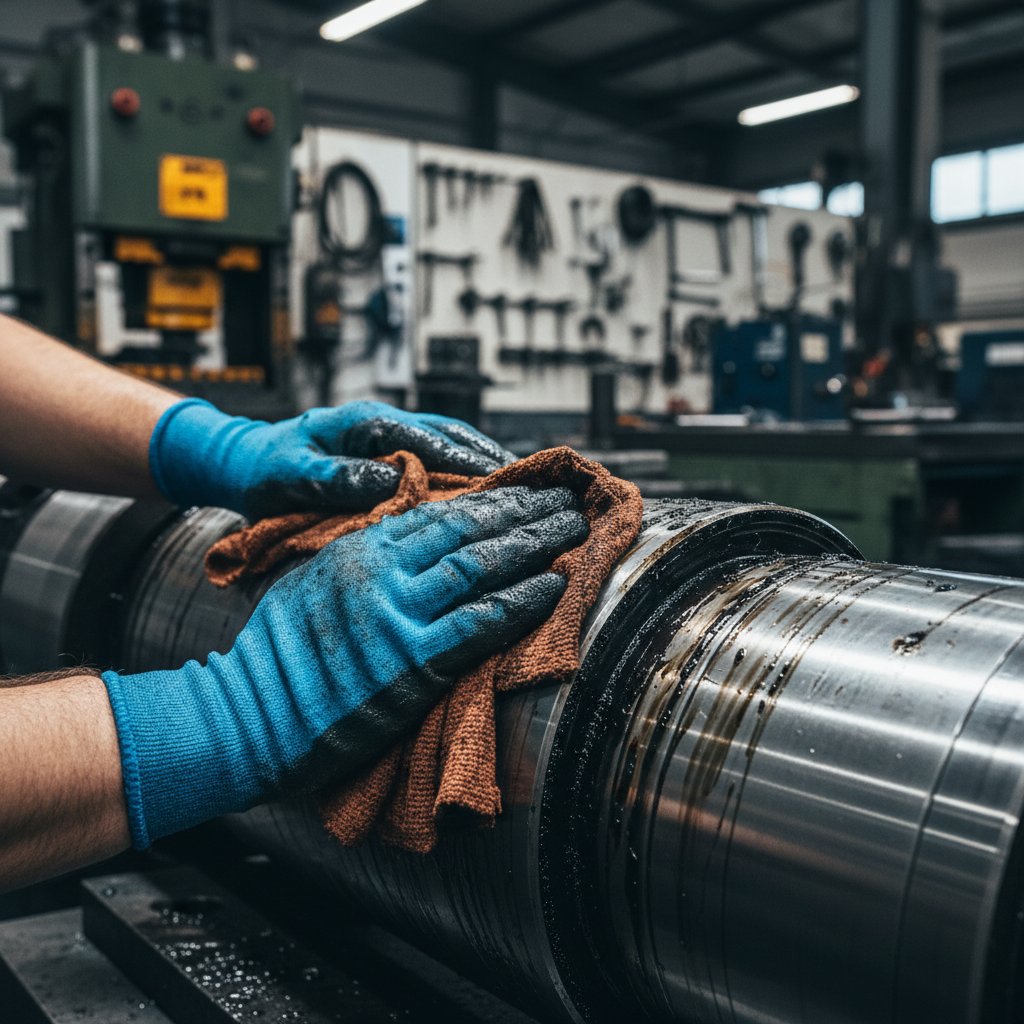
Myth 1: Industrial Sanitation Is Only About Cleaning
One of the most prevalent myths is that industrial sanitation is solely about cleaning surfaces and equipment. While cleaning is a significant part, sanitation goes beyond that. It involves thorough processes designed to eliminate pathogens, reduce contamination, and maintain overall hygiene standards. This comprehensive approach ensures safety and compliance with health regulations.
Myth 2: High Costs Mean High Effectiveness
Many believe that the more expensive a sanitation solution is, the more effective it must be. However, cost does not always equate to quality. Effective sanitation depends on choosing the right products and methods tailored to specific industrial needs. It's essential to focus on value and efficacy rather than just price tags.

Efficiency in Methods
Another misconception is that all sanitation methods are equally effective. Industrial environments vary greatly, and what works for one may not work for another. It is crucial to assess the specific requirements of your facility to implement the most suitable sanitation strategy.
Myth 3: Chemical Sanitizers Are Always Necessary
While chemical sanitizers are vital in many scenarios, they aren't always required. Environmentally friendly alternatives, such as steam cleaning or UV technology, can be equally effective in certain contexts. These methods offer sustainable solutions without compromising on sanitation quality.
Myth 4: Sanitation Is a One-Time Task
Some presume that once a facility is sanitized, it remains clean indefinitely. This is far from reality. Industrial sanitation is an ongoing process that requires regular maintenance and monitoring. Consistent attention ensures that sanitary conditions are preserved, preventing the buildup of harmful contaminants.
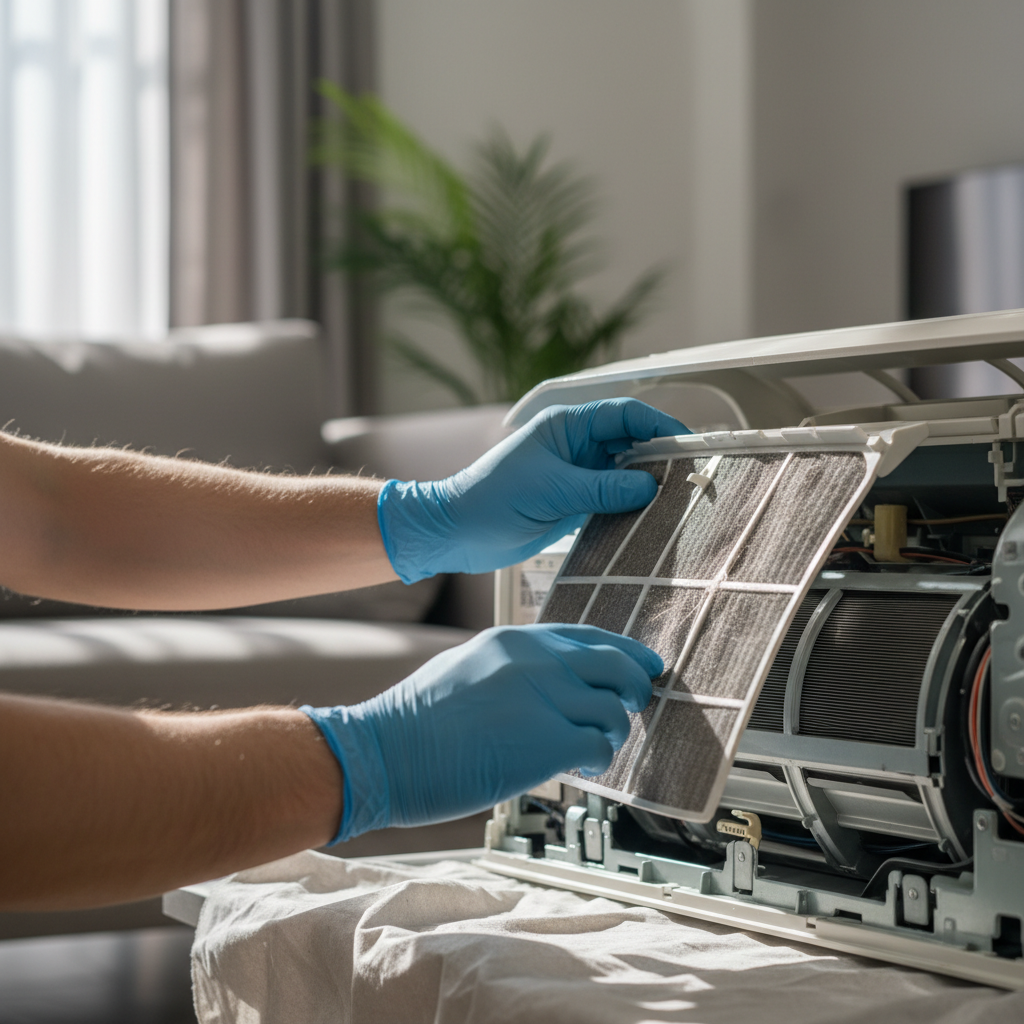
The Human Element
Sanitation is not just about technology and products; it's also about people. Proper training and awareness are integral to effective sanitation practices. Employees must understand the importance of hygiene and follow protocols diligently.
Myth 5: Sanitation Is Only Important in Food Industries
Industrial sanitation is crucial across all sectors, not just in food-related industries. Whether in manufacturing, pharmaceuticals, or automotive sectors, maintaining cleanliness and hygiene is essential to ensure product quality and workplace safety.
By understanding and addressing these myths, businesses can enhance their sanitation practices, leading to safer and more efficient industrial environments. Remember, effective sanitation is an ongoing commitment, not a one-time task.